Ulster-Scots of Maine – PATRIOTS PROFILES
Surnames A-M
INTRO
Starting in 1718, the Ulster-Scots families of Anderson, Chase, Dunning, Jameson, Man(n), Means, Patten, and Rogers, left the North of Ireland (as known then), to settle on Flying Point, in what was in the region Ancient North Yarmouth area (now Freeport), District of Maine. Sharing the same values, history, and heritage, they formed a close-knit community (Crane, 2015, p. 1).
Some 2,600 Ulster-Scots arrived in Boston from 1717 to 1720 from the uncertainty of life in Scotland and the North of Ireland. From there, they fanned out to the frontiers of Maine, New Hampshire, Pennsylvania, Virginia, and the Carolinas to establish permanent homes. Two of these ships, Robert and MacCallum, likely carried the Anderson, Chase, Dunlop, Dunning, Jameson, Man(n), Means, Patten, Wilson, and Rogers families to Brunswick, Falmouth, Harpswell, and Topsham of the Ancient North Yarmouth region (p. 9).
Reference: Crane, P. (2015). The Historical Mann Cemetery (ME 161-056) at Flying Point circa 1770-1922.
John Dill
B. about 1738, York Maine. D. about 1810, Lewiston Maine
Great Great Grandson of Daniel Dill ( 1630-1711), Scottish Prisoner, 3rd Great Grandfather of MUSP Member - Dave McCausland
Served in Revolutionary War under Capt. John Worthey in Col. Edmund Phinney’s (31st) Regiment. Enlisted on May 14, 1775.
In 1776, John and Enoch Dill came to Lewiston from North Yarmouth where they purchased land.
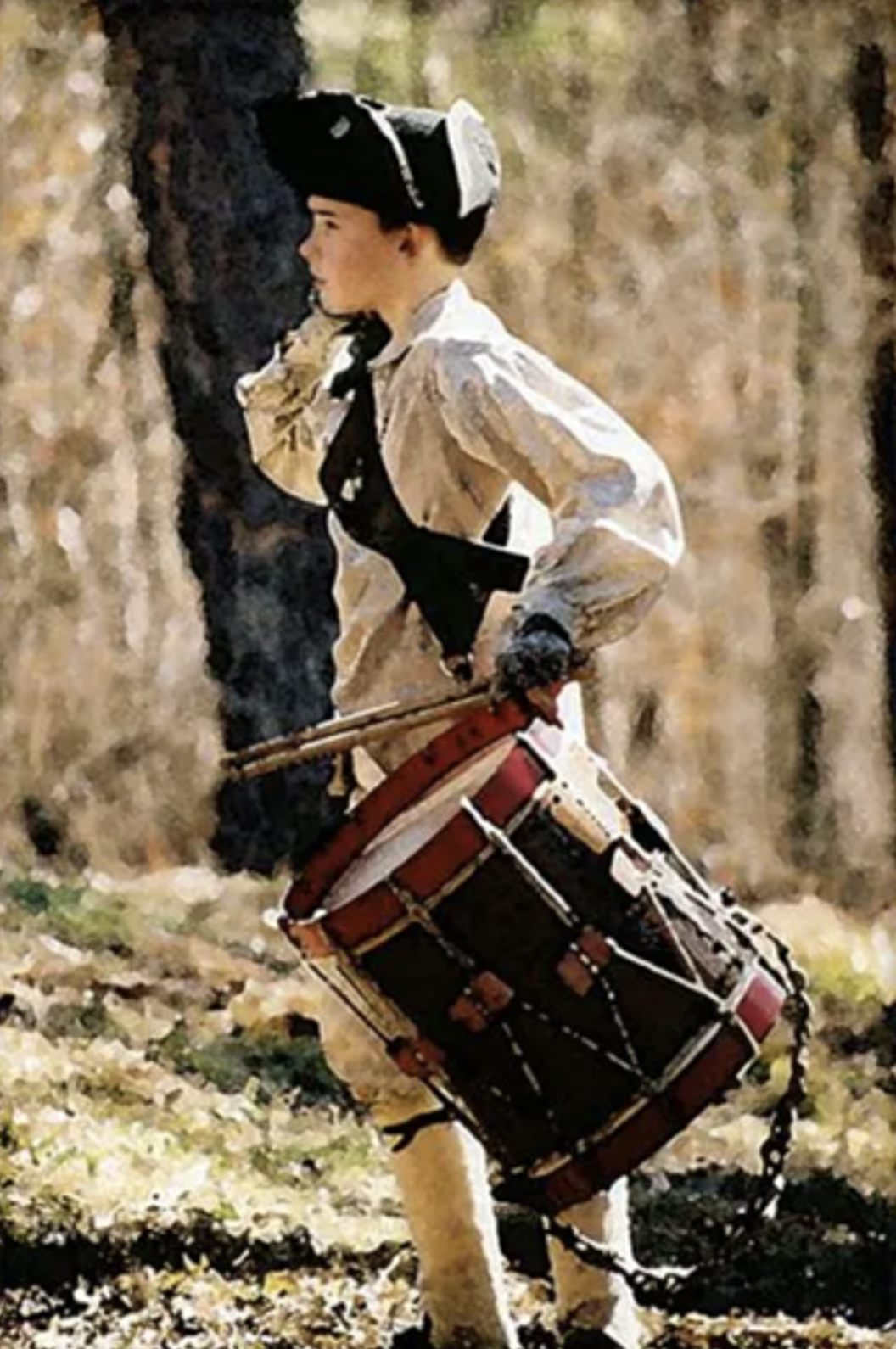
Alexander McCausland
B. 1763, Pittston, Maine. D. 1853 Penobscot, Maine
Grandson of 1718 Ulster-Scot immigrant James McCausland, Sr., Great cousin of MUSP member - Dave McCausland
Note: Family tradition holds that Alexander was a drummer boy in the American Revolution. He is listed as a musician in various revolutionary war sources, so that is likely. His wife Abigail applied for a pension: W6801, BL WT, 1705-166-55 (p743 index of Revolutionary War pension Applicants. Musician, Cont, MA Cont Army main. Lived in Gardnerstown (Me) at time of service. ~from History of Gardiner, Pittston....“Alexander McCausland enlisted in 1777…”
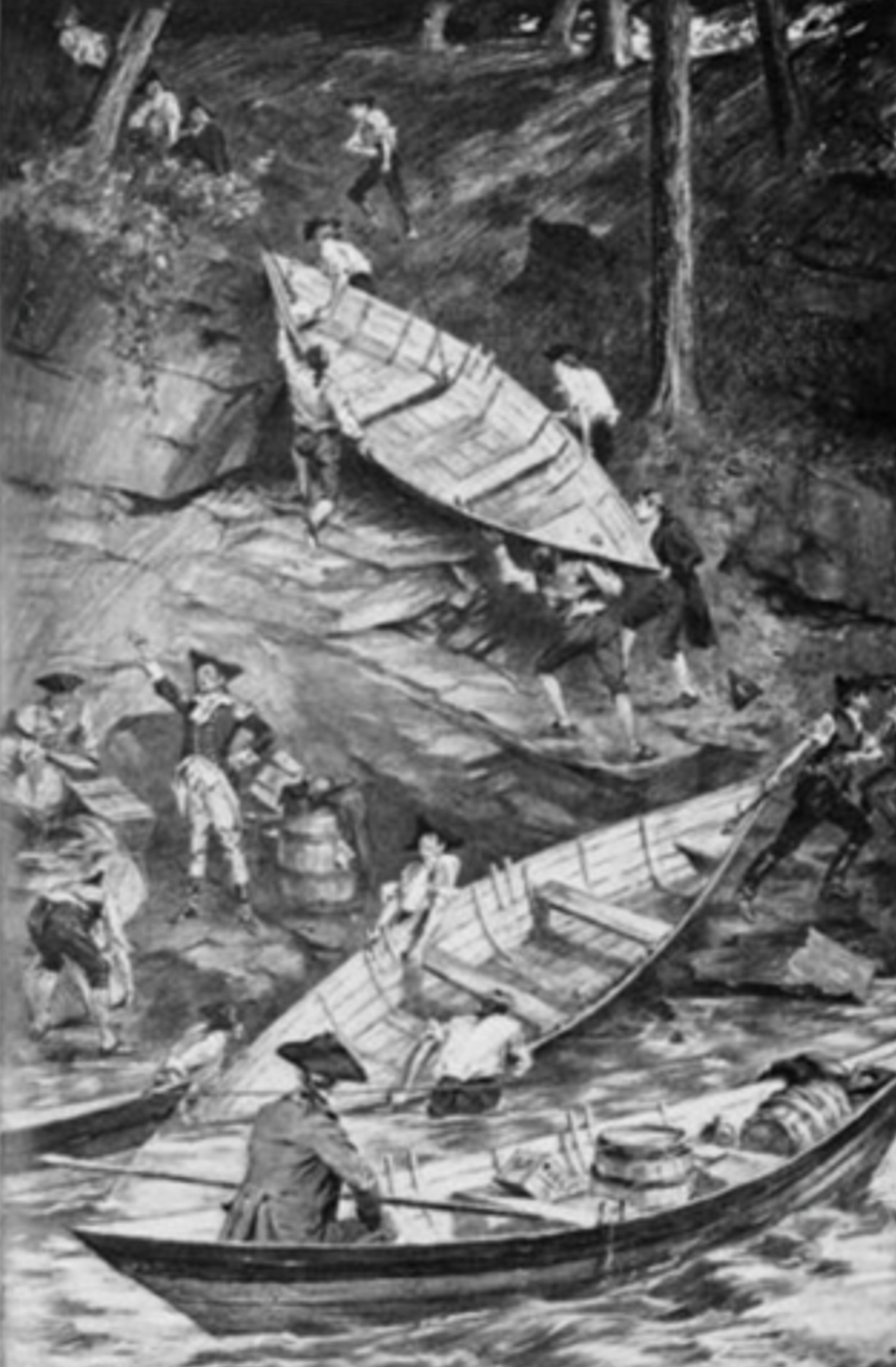
Andrew McCausland
B. about 1760, Gardiner, Maine. D. about 1819, Gardiner, Maine
Grandson of 1718 Ulster-Scot immigrant James McCausland, Sr., Great cousin of MUSP member - Dave McCausland
Revolutionary War Service from Gardinerstown, Maine. Andrew was one of the Artificers on the Arnold expedition to Quebec, serving Col Oliver Colburn Enlisted 7/25/1775,
Andrew was a Private in Capt. Oliver Colbourn’s Co. of Minutemen. Enlisted 25 July 1775. Service 20 days. From Mass. Soldiers & Sailors in the War of the Revolution. Volume 10 page 424.
Andrew was one of the first settlers and built the house where E. D. Patterson lives. The house is said to be first built of those now standing on that road, having stood there over one hundred years. "History of Kennebec County, Maine by Henry D. Kingsbury & Simon L. Deyo" H. W. Blake & Co, New York 1892.
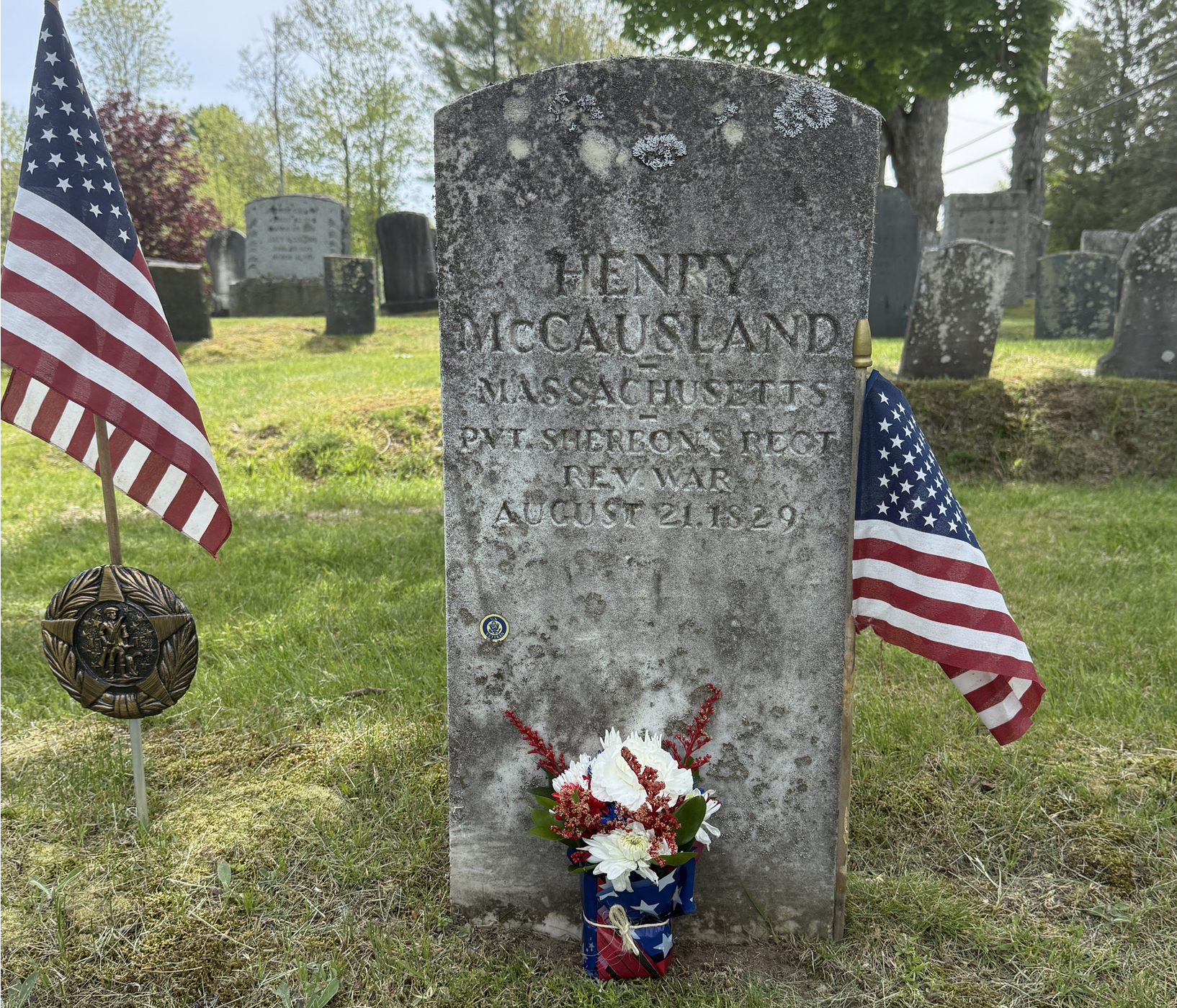
Henry McCausland Jr.
B. 1759, Harpswell, Maine. D. 1829, Augusta, Maine
Grandson of 1718 Ulster-Scot immigrant James McCausland, Sr., 3rd Great Grandfather of MUSP Member - Dave McCausland
Henry was placed on the pension roll of Kennebec County 1818 for service of private in the Massachusetts line. Some of the men raised in the Continental Army from Col. Joseph North's (2nd Lincoln Co.) Regt. dated Gardinerstown, February 02, 1778; residence, Gardinerstown, engaged for town of Stoughton: joined Capt. Burton's Co., Col. Sherburne's Regt. served 3 years.
"I Henry age fifty nine, a citizen of the United States born in Harpswell in the District of Maine, now a resident in Augusta in said District, upon oath testify and declare that in April 1777 enlisted as a private soldier in the War of the Revolution against the common enemy, upon the Continental establishment, for the period of three years, in Capt. Benjamin Burton's Company and Col. Henry Sherburne's regiment of the Rhode Island troops or line. I served in the company commanded by Capt. Burton about the term of one year, when I was transferred to the company commanded by Capt. Tafton in the same regiment and line. The period of my enlistment I fully served out and took my honorable discharge from the army at Elizabeth town in April 1780. I was discharged as belonging to said Capt. Trafton company. My discharge I gave many years since to General Dearborn, and have never seen it since, and is not now to my knowledge. I was at the battle of Rhode Island under General Spinar....”
1. Col. Sherburne Additional Continental Regiment was created January 12, 1777 and seems to have had adequate training, supplies and men. Sherbourne's Regiment included three companies from Connecticut and number of Maryland men. On May l, 1780 the regiment broke up with many of the men going into Samuel B. Webb's Regiment
2. Sherburne was Major of the 3rd Rhode Island from May 08, Until December 1775 and was Major of the 15th Continental Infantry from January 1 until December 1776. He was taken prisoner near the Cedars May 20, 1776. He was then Major of the 1st Rhode Island January -1,1777 before becoming Colonel of one of the Sixteen Additional Continental Regiments January 12, 1777. He retired January 01, 1781.
3. Burton was an Ensign of Reed's New Hampshire Regiment from June until December 1775. He was then Ensign of the 2nd Continental Infantry January 1, 1776 becoming 2nd Lieutenant September 28 until December 31, 1776. He was then a Captain of Sherburne's Continental Regiment March 15, 1777 until being discharged June 01, 1779.
4. Tafton was the Sergeant of the Lexington Alarm April 1775 then Ensign of Scammon's Massachusetts Regiment May until December 1775. Tafton was then 2nd Lieutenant of the 15th Continental Infantry January 01, until December 31, 1777 before becoming Captain of Sherbourne Continental Regiment June 01, 1777. He resigned April 20, 1780.
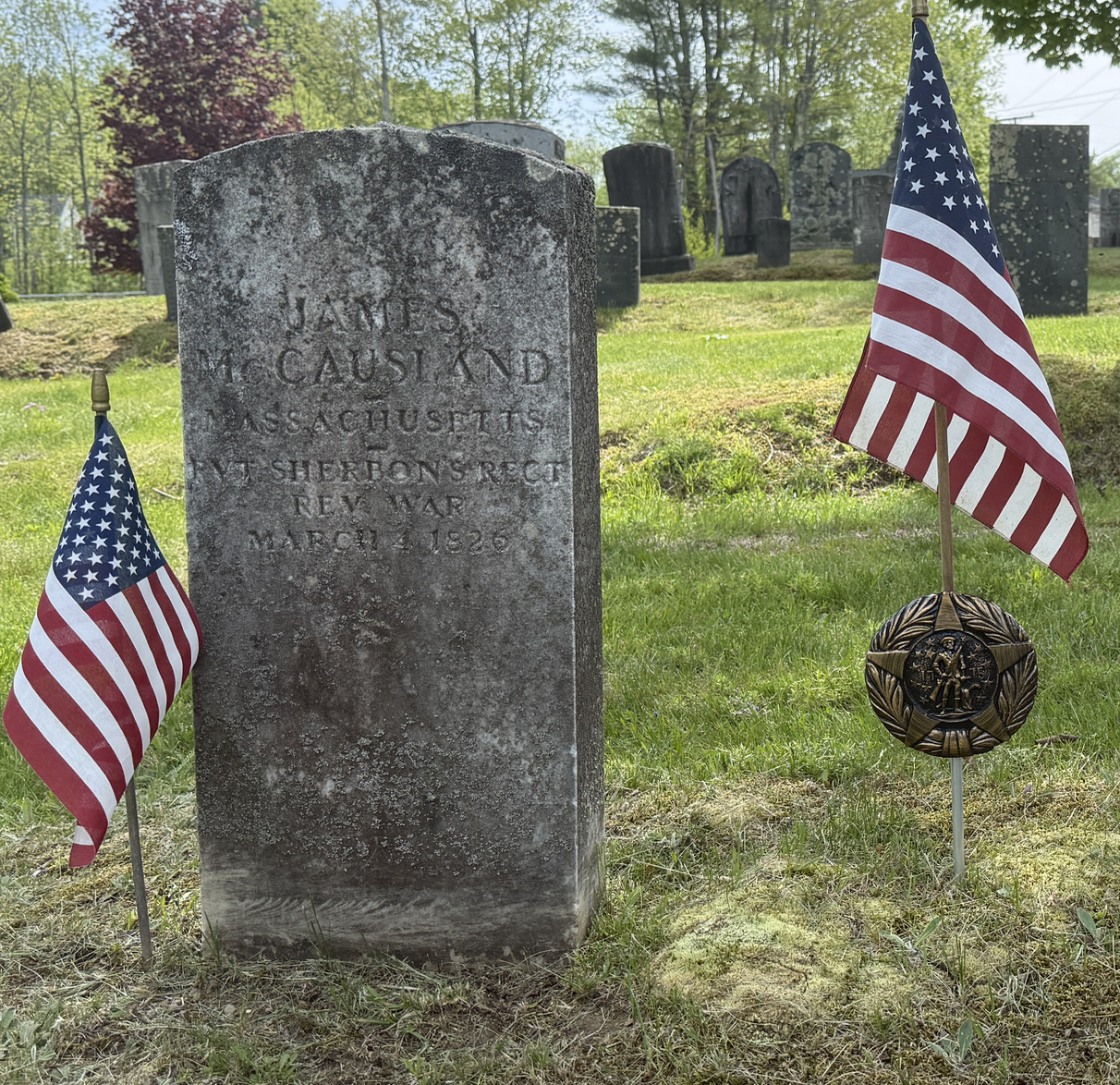
James McCausland III
B. 1750, Falmouth Maine. D. 1826, Gardiner, Maine
Grandson of 1718 Ulster-Scot immigrant James McCausland, Sr., Great cousin of MUSP member - Dave McCausland
Served in the Continental Army under Col. Joseph North's (2nd Lincoln Co.) regiment. Dated 2 Feb 1778. Engaged for town of Stoughton. Served as private in Colonel Hitchcock's regiment in Rhode Island. His widow received a pension. Joined Capt. Burton's Co. 2 Feb 1778, term 3 years. DAR says born in Ireland. (common reference for families that came from the north of Ireland).
Private James McCausland was with Capt. Timothy Heald's Co., Col. Samuel McCobb's regiment, enlisted 30 June 1779, discharged 11 August 1779. Service 1 mo. 13 days on Penobscot expedition.
From Martha Ballard’s diary:
Nov 12, 1793: “I was at Ditoes, & James Mc Causlands, my Patient, unwell with a Disentary. ”
Nov 13, 1793: “Snow & rain. I was at mc Causlands.
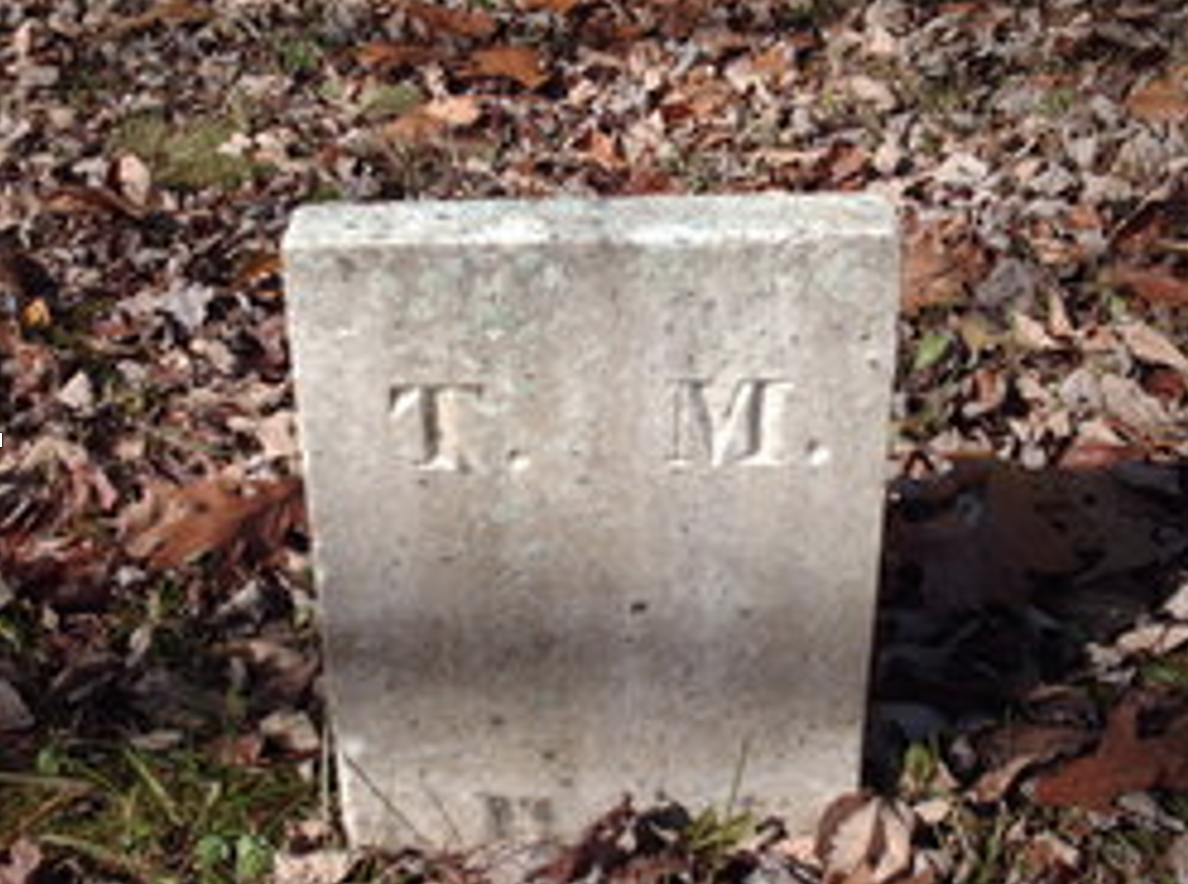
Major Thomas Means II
B. 1756, Flying Point, North Yarmouth, District of Maine D. 1827, Freeport, Maine
Grandson of 1718 Ulster-Scots emigrants Robert Means and Jean (Jane) Armstrong, 1st cousin six times removed of Andrew Means Hill; 4th generation great-grandfather of John Mann (President Emeritus of MUSP)
Thomas Means born December 24, 1756, in a garrison house on Flying Point, North Yarmouth, District of Maine (now Freeport), where his wounded mother had been taken after the Indian attack which robbed her of her son, Robert, and her husband, the first Thomas Means Sr. We know nothing of his boyhood but at the age of eighteen he was a private in Captain George Rogers’ company (Third North Yarmouth), which company was detached from the Second Cumberland County Regiment to work on the fort at Portland in November 1775. The following year, he was a matross in Captain Abner Lowell's company of matrosses, serving until the last of December, 1776. On December 26, he enlisted for three years in the company of Captain George White, Eleventh Regiment Massachusetts Line under Colonel Ebenezer Francis.
This regiment was originally posted at Ticonderoga but evacuated the fort at night after seeing British cannons were placed on Mount Defiance, NY overlooking the fort. They retreated towards Castleton, VT, some twenty-two miles away, on July 6, 1777, losing all their baggage and stores. British General Simon Fraser gave chase. The next day, the regiment fought in the Battle at Hubbardston, MA, repulsing two British charges, but was finally routed in the third charge and lost their colonel, who was killed leading a charge. After the battle the American soldiers retreated through the mountains to Skenesboro and Stillwater, NY, while suffering severe losses. The regiment took part in the Battle of Freeman’s Farm on September 19, 1777, where General Lincoln opposed 2,500 men to Burgoyne's 6,000 men, inflicting upon the latter, a loss of 600 men and winning a victory for the Continentals. A month later at Saratoga, NY, Thomas Means saw the surrender of the remnants of General Burgoyne's force, doubtless a sweet revenge for the humiliation of the retreat, where 1,000 Americans at Ft. Ticonderoga were driven out by 8,400 British, who inflicted a loss of 500 upon them.
That winter, Corporal Means survived Valley Forge as part of Capt. George White’s company, enduring privations which made this the lowest ebb in the fortunes of the Revolutionary War. Here he was but one of the 1,008 men said to have been from the District of Maine.
Monmouth was Means' next battle. Here Washington defeated Clinton and forced him back to New York. This was the occasion on which Washington lost his temper and verbally blistered General Lee for ordering a retreat, afterward personally leading his discredited general’s troops to victory.
At Stony Point, Corporal Means was one of 1,200 picked men with whom "Mad” Anthony Wayne made the winning assault.
December 1779 saw the end of Corporal Means' term of enlistment and on the 26th he received his discharge. During these three years, he had been in active service with Washington, Wayne, Gates, Arnold, and Lincoln. Now at the age of twenty-two he returned to North Yarmouth (now Freeport) to make his way in civil life at the Means farm, which had been the scene of the Means Massacre in May 1756.
In 1790, at the age of 35, Means was a member of the second Board of Selectmen of the new Maine town of Freeport. Major Means was a tavern keeper (Bow and Main Streets) in the Freeport Square. Thomas passed away on December 16, 1827, and is thought to be buried in Freeport’s Woodlawn Cemetery near other Means family relatives with a stone marked “FATHER”.
Are you related to an Ulster-Scots emigrant associated with Maine who served in the American Forces ( Massachusetts Militia, Continental Army, or Continental Navy)? If so, We’d like to learn the details of your patriot ancestor and consider adding his name to our Maine Ulster-Scots Patriot Profile pages.
If you have Patriot information to offer, please contact Julie Potter-Dunlop, President of the Maine Ulster-Scots Project at: Julie@MaineUlsterScots.com